4 Puredown Bedding Picks That Make a Bed Feel Like a Hotel
By Jenna Brooks
September 17, 2026 · 8 min read
There is a very specific kind of disappointment that happens when your bed looks fluffy and inviting but feels completely wrong once you actually get under the covers. Maybe the comforter traps so much heat that you kick it off at 2 a.m., or maybe it is light enough for summer but feels flat and lifeless. Even the perfect comforter can be let down by pillows that collapse five minutes after your head hits them.
Puredown is interesting because its current bedding lineup tackles those problems with several different warmth levels rather than treating everyone as the same type of sleeper. The company says it has been making down bedding since 1993 and focuses on responsibly sourced natural fills, organic cotton, and bedding designed around different temperatures and sleep preferences.
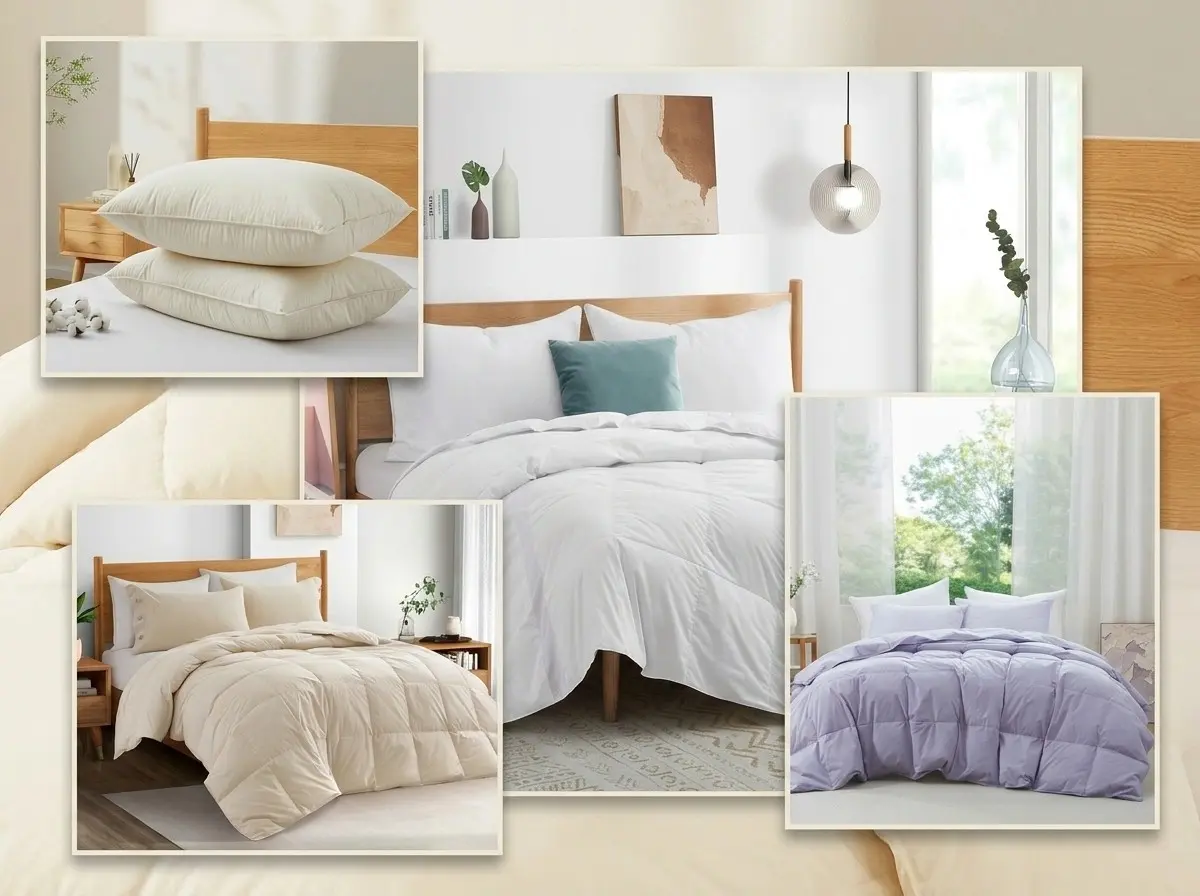
For this DailyStyleDrop edit, I picked four Puredown products that solve different bedroom problems. There is an ultra-light option for serious hot sleepers, two organic cotton comforters for different warmth preferences, and a set of down-and-feather pillows built for people who want softness without losing all their support overnight.
1. Ultra Lightweight Cooling Down Comforter
Best for: Hot sleepers and warm bedrooms
If you love the airy feeling of down but normally wake up overheated, this is the Puredown comforter I would investigate first. It uses a lightweight fill of 75% white duck down and 25% white duck feather, plus mesh panels designed to improve airflow and a sewn-through construction that keeps the fill more evenly distributed. Puredown specifically positions it for hot sleepers and rooms around 74 to 80°F. The one thing to note is that the shell is an 85% polyester and 15% cotton blend rather than all cotton, so shoppers who want natural-fiber shells exclusively may prefer one of the organic options below.
2. All Season Organic Cotton Down & Feather Comforter
Best for: Someone who wants one comforter for most of the year
The All Season Organic Cotton Comforter makes more sense if you do not want to swap bedding every time the temperature changes. Its shell is made from 100% GOTS-certified organic cotton, while the fill combines 80% goose feather fibers, 15% goose feathers, and 5% down fibers. That blend gives it more weight than a high-down comforter while still offering natural insulation, and the medium warmth level is designed for year-round use. It is worth noting that this is a down-and-feather-fiber comforter rather than a mostly-down duvet, which helps explain the different feel and weight.
3. Lightweight Organic Cotton Down & Feather Comforter
Best for: Warm sleepers who still want an organic cotton shell
This is the middle ground between the ultra-light cooling model and the heavier all-season option. It uses the same general 80% goose feather fiber, 15% goose feather, and 5% down fiber blend as the all-season comforter but reduces the fill for a lighter sleep experience. The 100% GOTS-certified organic cotton shell is the big attraction here, especially if you prefer breathable natural fabric against your duvet cover. Puredown specifically categorizes it for hot sleepers and warmer months, making it an easier year-round choice in climates where winter never becomes especially cold.
4. 2-Pack Organic Cotton Down Feather Pillows
Best for: Back and side sleepers who want softness with structure
Down pillows can feel wonderful for ten minutes and then become frustratingly flat, which is why the pillow-in-a-pillow construction here makes sense. Puredown uses a firmer goose-feather inner chamber for structure with a softer down-and-feather outer layer, then wraps everything in a 300-thread-count GOTS-certified organic cotton shell. The pillows are rated at medium support and are specifically recommended for back and side sleepers, with classic and gusseted versions available. If you love the softness of natural down but still need your head and neck to feel supported, this construction is much more practical than a pillow filled entirely with loose down.
Which Puredown Comforter Should You Choose?
Start with temperature because that will affect your sleep more than whether one comforter looks fluffier in a product photo. If you regularly wake up hot, live somewhere warm, or keep your room around the mid-70s, the Ultra Lightweight Cooling Comforter is the most obvious starting point. It has far less fill than the all-season styles and adds mesh panels specifically for airflow.
Choose the Lightweight Organic Cotton Comforter if you still sleep warm but strongly prefer a cotton shell. The All Season Organic Cotton Comforter makes more sense when you want additional weight and warmth and do not want to change inserts every few months.
Recent bedding discussions make the same point repeatedly: hot sleepers often regret choosing a comforter simply because it looks plush. Many users report better results from lower-loft bedding, breathable covers, or lightweight down than from thick "hotel-style" inserts that trap more warmth.
Lightweight vs All-Season Comforter: What Is the Real Difference?
The biggest difference is fill weight. More filling usually creates greater insulation and a warmer, heavier sleep experience. That is why two comforters can use nearly identical shell and fill materials but still feel completely different overnight.
Puredown's Lightweight Organic Cotton model and All Season Organic Cotton model both use an 80/15/5 goose feather fiber, goose feather, and down fiber blend, but the lightweight version uses less fill. If you are a warm sleeper, that lower fill weight can be more important than choosing a product simply because it carries a "cooling" label.
This also lines up with current bedding discussions, where hot sleepers frequently say they prefer lightweight or summer-weight inserts because heavy loft can hold too much heat even when the outer fabric is breathable.
Down vs Feather: Why the Fill Blend Matters
Down and feathers are not interchangeable. Down is the soft insulating layer found beneath a bird's outer feathers and is valued because it creates loft and warmth without requiring as much physical weight. Feathers have quills and generally provide more structure and weight at a lower cost.
That is why a high-down comforter often feels airier, while a feather-rich blend can feel more substantial. Puredown's Ultra Lightweight Comforter contains 75% duck down, while its organic cotton down-and-feather-fiber comforters use much more feather fiber and feather than down. Neither approach is automatically better. The right one depends on whether you want an airy feel or more noticeable weight.
What Do GOTS and RDS Actually Mean?
These certifications are worth understanding because bedding brands use a lot of language that sounds sustainable without always explaining what it means. GOTS stands for Global Organic Textile Standard and covers organic fibers as well as processing requirements across the textile supply chain. Puredown's organic cotton comforters and pillow covers featured here are listed as GOTS certified.
RDS stands for Responsible Down Standard and focuses on animal-welfare requirements and traceability for down and feathers. Puredown lists the natural down and feather fills in these four products as RDS certified.
Those certifications do not tell you whether a comforter will feel too warm or whether a pillow will suit your neck. They simply give you more information about how certain materials were sourced and processed.
Are Down Comforters Good for Hot Sleepers?
They can be, but the phrase "down comforter" alone tells you very little about warmth. Fill weight, loft, shell material, construction, room temperature, sheets, duvet cover, and your own body temperature all play a role.
Current Reddit bedding discussions show how individual this can be. Some hot sleepers report doing well with lightweight down, while others still find even summer-weight down too warm and switch to quilts, wool, or very thin layers instead.
That is why I would treat Puredown's Ultra Lightweight model as a better bet for a warm sleeper than its all-season comforter, but not as a guarantee that nobody will overheat beneath it.
How to Make Down Bedding Last Longer
Down bedding needs a little more care than grabbing any comforter and putting it through the hottest wash cycle. Puredown recommends washing its Ultra Lightweight Comforter on a cold gentle cycle and tumble drying on low, air-fluff, or no heat, followed by regular fluffing to maintain loft.
A duvet cover can also reduce how frequently the comforter itself needs washing. Always follow the care label on the exact product because construction, shell material, and fill can vary even within the same brand.
For pillows, regular fluffing helps redistribute the down and feathers instead of letting the fill remain compressed in the same spot night after night.
Is Puredown Bedding Worth Considering?
Puredown says it has more than 30 years of experience in down bedding and owns its raw down processing facilities through parent company Liuqiao Group. That gives the company more direct involvement in its down supply chain than a brand that only buys finished bedding from third parties.
What matters more for shoppers is that the collection offers genuinely different warmth and fill options rather than one comforter marketed to everyone. The Ultra Lightweight model targets hot sleepers, the Lightweight Organic Cotton version adds a natural-fiber shell, and the All Season model increases warmth and weight. The pillows use another construction entirely to balance softness with support.
That makes the brand easier to shop once you know what kind of sleeper you are.
Final Thoughts
A better bed does not necessarily need more bedding. It needs bedding that matches how you actually sleep.
For serious hot sleepers, the Ultra Lightweight Cooling Down Comforter is the first Puredown option I would consider. If an organic cotton shell matters more, choose the Lightweight Organic Cotton Comforter. The All Season version is better suited to someone who wants more warmth and a heavier year-round feel, while the Organic Cotton Down Feather Pillows are the most useful upgrade if your comforter is already fine but your pillow keeps collapsing overnight.
The best choice is not the fluffiest one. It is the one you can stay underneath until morning.
Frequently Asked Questions
Puredown offers several warmth levels, including Ultra Lightweight and Lightweight comforters designed specifically around warmer sleepers and climates. Very hot sleepers can still have different experiences, so lower fill weight is usually the safer place to start.
Usually, yes, because a lightweight comforter contains less insulating fill and therefore traps less warmth around the body. Room temperature and the duvet cover you use will also affect how warm it feels.
Down provides more loft and insulation for its weight, while feathers generally add structure, weight, and affordability. A down-and-feather blend can be a good choice if you prefer more substantial bedding instead of an extremely airy duvet.
Some Puredown comforters, including the Ultra Lightweight model, are listed as machine washable on a cold gentle cycle with low or no-heat drying. Always check the care label for your exact comforter before washing because instructions can differ by construction.
The Organic Cotton Down Feather Pillows featured here are rated at medium support and recommended by Puredown for both side and back sleepers. The gusseted version may appeal more to sleepers who prefer additional loft and structure.
Real down is a natural insulating material that offers high loft with relatively low weight, while down alternative usually uses synthetic or other non-down fibers. They can feel and regulate heat differently, so the better option depends on warmth preference, allergies, care requirements, and budget.